

Mastering Classical Architecture In Mill Valley: A Comprehensive Guide
Master classical architecture in Mill Valley by applying symmetry, proportion, and orders like Doric, Ionic, Corinthian to hilly, redwood sites.
Mastering Classical Architecture In Mill Valley: A Comprehensive Guide
Master classical architecture in Mill Valley by applying symmetry, proportion, and orders like Doric, Ionic, Corinthian to hilly, redwood sites. Adapt with terracing, seismic steel frames, and durable stucco, stone. Chambers + Chambers, Bay Area experts since 1996, deliver timeless homes that appreciate in value, provide serenity amid Mount Tamalpais terrain.
Dreaming of timeless classical architecture for your Mill Valley home, but daunted by steep hills, redwoods, and seismic demands? Many designs flop here, clashing with the terrain or skimping on safety. This guide arms you with proven principles, local adaptations, and expert steps from Chambers + Chambers, who've shaped elegant residences in the Bay Area since 1996.
Introduction to Classical Architecture in Mill Valley
Mill Valley is often associated with rustic cabins and mid-century modern glass boxes tucked into the redwoods. However, there is a strong, growing appreciation for classical architecture in this Marin County enclave. Homeowners here are rediscovering that traditional design offers a sense of permanence and order that complements, rather than competes with, the dramatic natural surroundings of Mount Tamalpais.
Classical architecture isn't about copying the past; it's about applying timeless rules of proportion and scale to modern living. For local experts like Chambers + Chambers, this approach creates homes that feel established from day one. As founder Barbara Chambers notes, "Contemporary traditional architecture, influenced by classical architecture, forms the foundation of my work, creating elegance, peacefulness, and a lasting sense of place" (spacesmag.com).
What Is Classical Architecture?
At its core, classical architecture is a design language rooted in the building traditions of ancient Greece and Rome. It prioritizes balance, hierarchy, and logic. Unlike trends that come and go, classical design relies on mathematical ratios to create spaces that feel naturally comfortable to the human eye.
In a residential context, this means:
- Clear focal points
- Defined entryways
- Harmonious window placement
It is a disciplined approach that turns chaos into order. Whether it is a grand estate or a modest cottage, the underlying structure remains consistent. It provides a framework that allows for beauty without relying on gimmicks or temporary fads.
Why Choose Classical Design for Mill Valley Homes
Choosing classical design in Mill Valley is a strategic decision. The local real estate market values homes that age gracefully. While modern styles can sometimes look dated after a decade, a well-executed classical home often appreciates in value because it transcends specific eras.
There is also a psychological benefit. The structure of classical design offers a calming counterpoint to the wild, organic growth of the Bay Area landscape. When you are surrounded by towering redwoods and steep ravines, a home with clear lines and solid forms provides a sense of shelter and stability. It anchors the property, giving it a distinct presence that feels intentional rather than accidental.
Core Principles of Classical Architecture
To master this style, you must understand the rules that govern it. These aren't arbitrary; they are proven methods for creating visual harmony. Barbara Chambers emphasizes that her projects reflect these exact standards: "Symmetry, scale, rich materials, elegant proportions, details, and moldings are integral to custom casework and spatial layering" (spacesmag.com).
Symmetry and Proportion
Symmetry creates immediate visual stability. In classical design, if you draw a line down the center of a façade, the left side usually mirrors the right. But it isn't just about mirror images; it is about balance. Proportion dictates the relationship between elements—like how the width of a window relates to the height of the ceiling. When these ratios are correct, the room feels "right" instantly.
The Classical Orders of Columns
You don't need a Greek temple in your backyard to use the classical orders, but understanding them helps. The main orders—Doric, Ionic, and Corinthian—dictate the style and proportions of columns and entablatures.
- Doric: Sturdy and simple
- Ionic: Elegant with scroll-like volutes
- Corinthian: Ornate and decorative
In Mill Valley homes, architects often use simplified versions of these to frame porches or define interior transitions without overwhelming the space.
Scale and Hierarchy
Hierarchy tells the viewer where to look. The front door should be more prominent than a side window. The main living room usually has higher ceilings than a powder room. Scale ensures that the house fits its inhabitants. A massive entry hall might look impressive, but if it dwarfs the people standing in it, it fails the test of domestic classical design. It must remain human-centric.
Essential Elements of Residential Classical Design
Bringing classical theory into reality involves specific physical components. These elements act as the vocabulary of the house. When used correctly, they signal quality and attention to detail.
Key components include:
- Columns and Pilasters: Structural or decorative supports
- Cornices: The molding that crowns a building or room
- Fenestration: The arrangement of windows and doors
Facades, Pediments, and Entries
The exterior is the first impression. A classical façade usually features a central entry point, often highlighted by a pediment (the triangular gable above the door) or a portico. This clearly marks the entrance and welcomes guests. In Mill Valley, where driveways can be long and winding, a strong, centered entry provides a necessary focal point that guides you to the front door.
Interior Moldings and Details
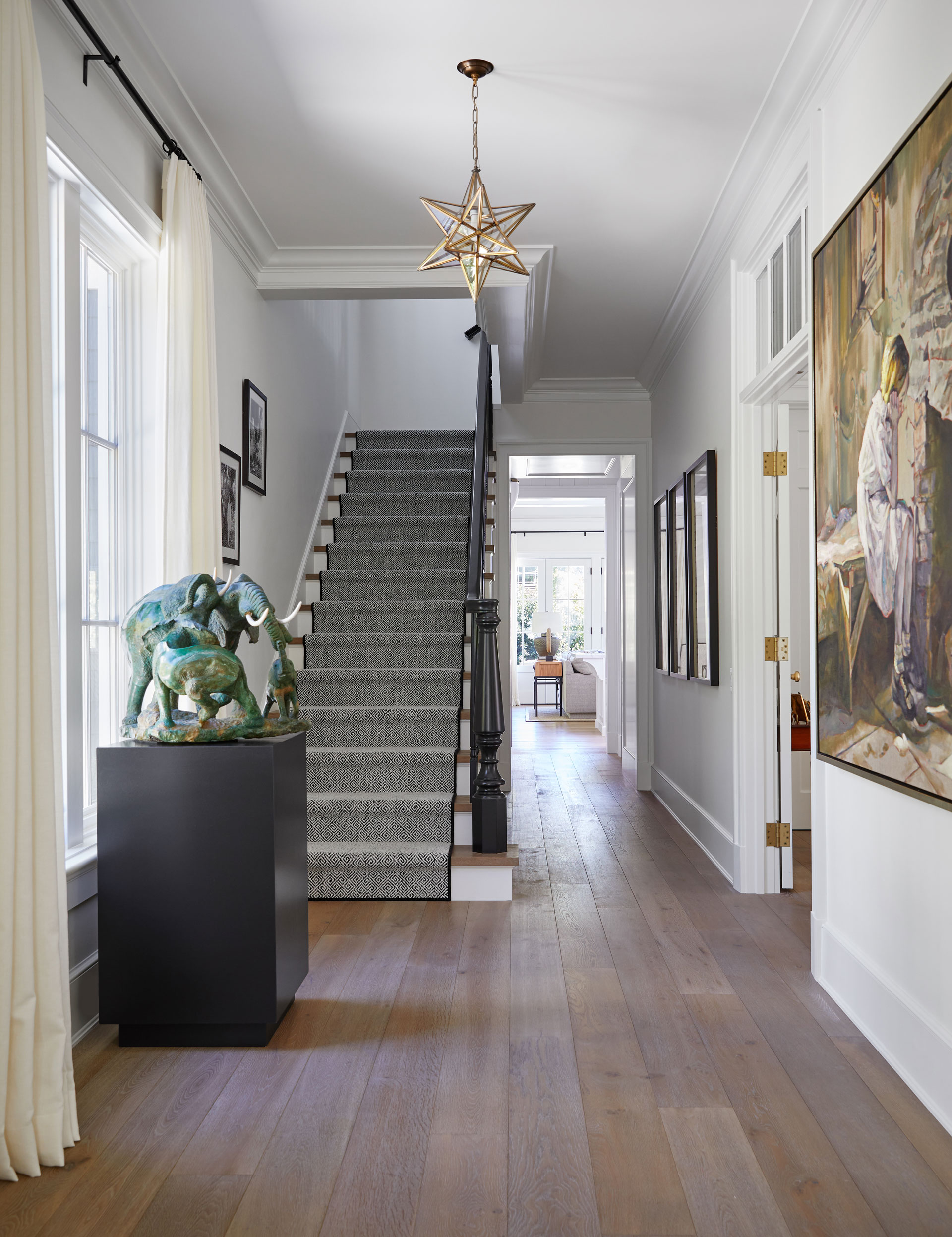
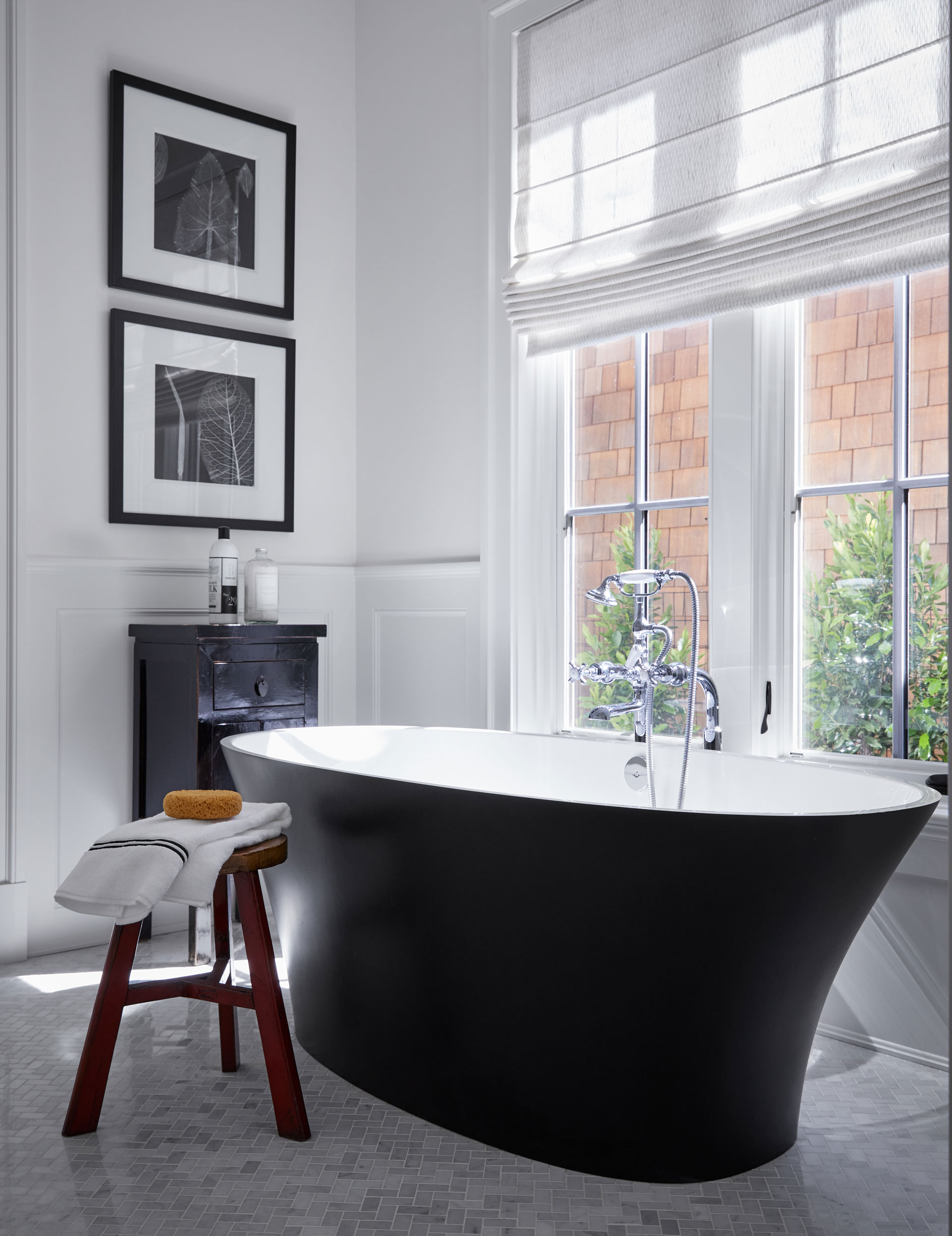
Inside, the magic happens in the trim. Crown molding, baseboards, and wainscoting are not just decoration; they hide joints and define the volume of a room.
- Crown molding draws the eye up
- Wainscoting protects walls and adds texture
- Casings frame views to the outdoors
These details add layers of shadow and light, giving plain drywall depth and character.
Material Selection for Bay Area Climates
San Francisco and Mill Valley have unique weather patterns—fog, dampness, and bright sun. Classical materials must be durable.
- Stucco: Resists moisture and fire
- Stone: Ages beautifully and handles ground moisture
- Wood: Needs protection but offers warmth
Using authentic materials is crucial. Faux stone or plastic trim often fails faster in this climate and ruins the authentic feel of a classical home.
How Classical Architecture Integrates with Mill Valley's Terrain
Mill Valley is famous for its hills. Classical architecture, which traditionally favors flat sites, requires thoughtful adaptation here. You cannot simply drop a symmetrical box onto a 30-degree slope.
Local architects use terracing and retaining walls to create flat plinths for the home. This extends the classical order into the landscape. Stone walls create a podium that lifts the house out of the damp soil, protecting the structure while establishing a level ground floor. This approach connects the indoors to the outdoors, allowing for formal gardens or patios even on steep lots.
Best Practices for Mastering Classical Details
Getting the details right distinguishes a custom home from a tract house. It requires patience and a willingness to stick to the rules of the style.
Tip: Consistency is key. You cannot have a classical exterior and a purely industrial interior without a jarring disconnect. The transition should be seamless.
Adapting to Hilly Sites and Redwoods
When building near redwoods, light is a commodity. Classical windows are typically tall and vertical, which is perfect for capturing light through the tree canopy.
- Use tall, double-hung windows to maximize vertical views
- Orient the main axis of the house toward the best light
- Use skylights hidden behind parapets to brighten interiors without ruining the roofline
Blending Tradition with Modern Amenities
You can have a classical look with a modern lifestyle. The floor plan doesn't need to be a maze of small rooms.
- Open Kitchens: Use beams or columns to define the kitchen space within a larger room
- Smart Tech: Hide panels and wires behind wainscoting
- Modern insulation: Use traditional thick wall looks to hide high-performance insulation
Ensuring Seismic Compliance in California
California earthquakes don't care about architectural style. Classical homes here must be engineered rigorously.
- Steel moment frames can be hidden inside classical columns
- Shear walls can be disguised as paneled library walls
- Heavy stone veneers must be properly anchored
Safety and style work together. A thick wall required for seismic shear often provides the deep window sills that classical design prizes.
Common Mistakes in Classical Home Projects
Even with good intentions, projects can go wrong. The most common error is bad scaling. Oversized columns on a small porch look cartoonish, while tiny molding in a room with 12-foot ceilings looks cheap.
Another pitfall is mixing too many styles. Sticking to one clear narrative works best. Avoid adding a Victorian turret to a Georgian colonial. Finally, ignoring the "roofscape" is a mistake in hilly Mill Valley, where neighbors often look down onto your roof. A messy roof with visible vents breaks the classical harmony.
Chambers + Chambers: Local Experts in Understated Luxury
Founded in 1996, Chambers + Chambers has established itself as a premier firm for classical design in the Bay Area. Based in Mill Valley, the firm understands the specific constraints of local planning codes and the unique microclimates of the region.
Their work is characterized by "understated luxury"—designs that are elegant but never shout. They prioritize high-quality materials and rigorous proportions. Notably, Chambers + Chambers is recognized for their commitment to this discipline and is listed in the Institute of Classical Architecture & Art membership directory (classicist.org).
Showcasing Mill Valley Classical Homes
The proof of classical design's success lies in the finished homes. In Mill Valley, these residences stand out for their quiet confidence. They don't need to scream for attention; their quality speaks for itself.

Award-Winning Residences
Top-tier classical homes in the area often feature:
- Grand staircases with custom millwork
- Loggias that offer outdoor living protected from the wind
- Libraries with floor-to-ceiling shelving
These homes often win awards not just for how they look, but for how they live. They provide functional, beautiful spaces for families.
Before-and-After Transformations
Renovations are common here. Transforming a 1970s ranch into a classical cottage involves:
- Re-centering the entry: Moving the door to create symmetry
- Adding layers: Installing trim and molding to flat surfaces
- Roofline adjustment: Changing pitch or eaves to correct proportions
These changes dramatically increase curb appeal and usability.
Steps to Build Your Classical Dream Home
Building a custom home is a journey. Breaking it down into manageable steps helps reduce stress and ensures the final product meets your vision.
Selecting the Right Architect
Not every architect understands classical proportions. You need a specialist.
- Look for a portfolio with traditional details
- Ask about their philosophy on symmetry and order
- Check if they have experience with Mill Valley's specific planning department
Navigating Permits and Approvals
Mill Valley has strict design review boards. They care about neighborhood character and environmental impact.
- Story poles: You will likely need to erect poles to show the home's height
- Design Review: Be prepared to defend your design choices
- Tree protection: Classical layouts may need to shift to save heritage redwoods
Budgeting for Timeless Quality
Classical architecture relies on craftsmanship. You cannot cut corners on the details.
- Budget for millwork: It is a major line item
- Invest in windows: They are the eyes of the house
- Quality over quantity: Build a smaller, better-finished house rather than a large, empty one
Conclusion
Mastering classical architecture in Mill Valley is about balancing history with the realities of modern California living. It requires a respect for proportion, a dedication to quality materials, and a deep understanding of the local terrain. Whether you are renovating a historic property or building from the ground up, the principles of classical design offer a roadmap to creating a home that is both beautiful and enduring. With the right team and a clear vision, you can build a residence that feels like it has always belonged among the redwoods.
Frequently Asked Questions
How much does a classical home addition cost in Mill Valley?
Classical additions average $400-$700 per square foot in Mill Valley, factoring in custom millwork, seismic reinforcements, and stucco exteriors suited to foggy microclimates. Budget 20-30% extra for design review fees with the city's Community Development Department.
What are Mill Valley's design review rules for classical architecture?
Mill Valley's Design Review Board requires story poles for height visualization, tree protection plans for redwoods, and massing studies ensuring harmony with neighborhood character. Submit via the city's online portal; approvals take 3-6 months.
Can classical homes in Mill Valley qualify for historic incentives?
Yes, renovations blending classical elements with existing structures may access Mill Valley's Heritage Preservation rebates up to $50,000 or state Mills Act tax reductions of 30-50% on assessed value for qualifying properties near landmarks like Old Mill Park.
How does classical architecture handle Mill Valley's wildfire risks?
Use fire-resistant stucco, stone bases, and Class A roofs compliant with Marin County's Fire Prevention District standards. Clear 100-foot defensible space around redwoods; Chambers + Chambers integrates these into symmetrical designs without compromising proportions.


