

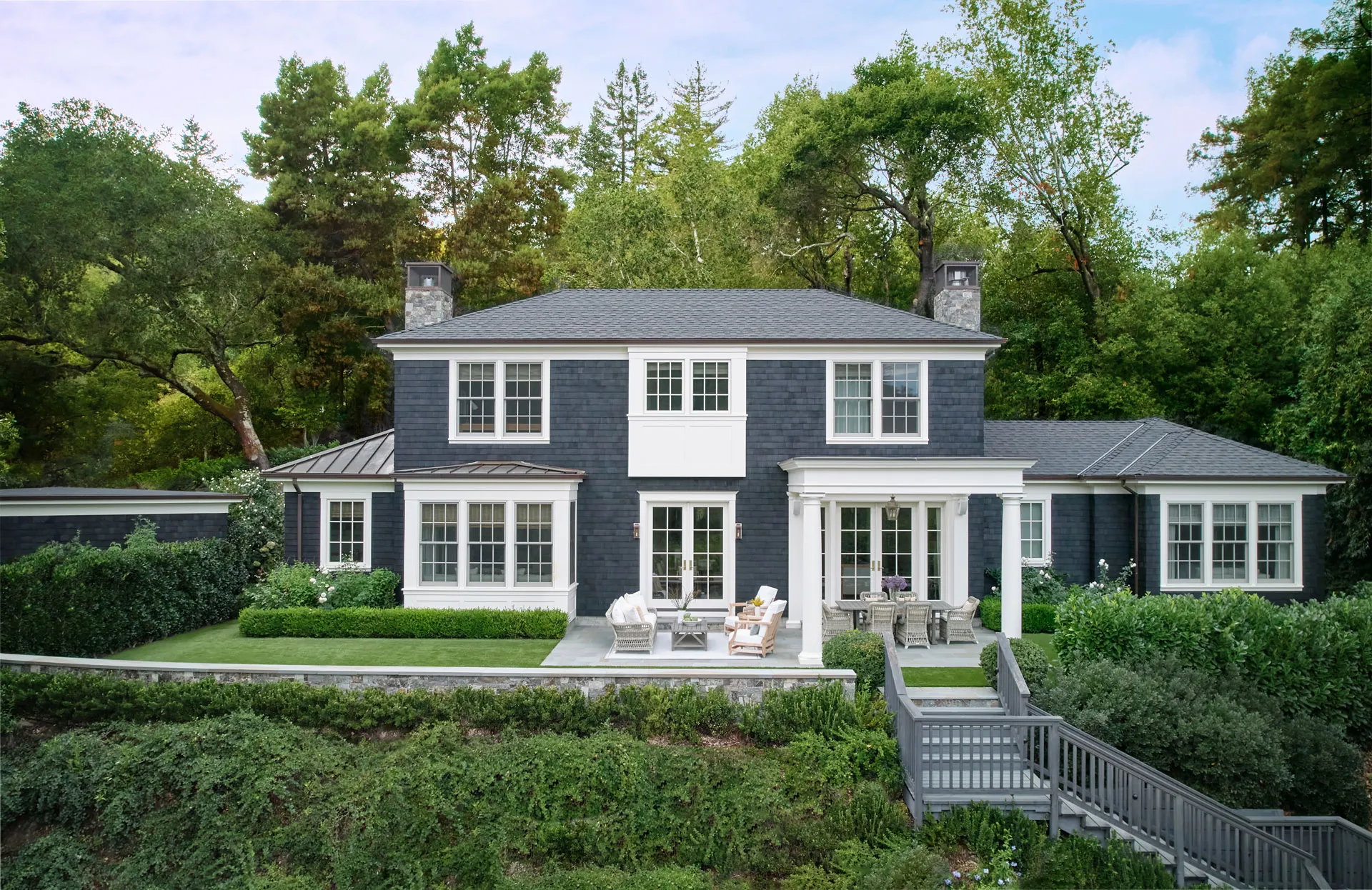
Custom Home vs. Remodel: What Makes Sense in Mill Valley?
Should I build a custom home from the ground up, or remodel an existing one?
We have spent decades designing thoughtful, site-specific residences in Mill Valley and throughout Marin County. Nestled among redwoods, steep hillsides, and protected wetlands, Mill Valley presents unique opportunities—and challenges—for homeowners dreaming of their ideal home. One of the most common questions we hear is: Should I build a custom home from the ground up, or remodel an existing one?There’s no one-size-fits-all answer, but in today’s Mill Valley market (as of late 2025), the scales often tip toward extensive remodels or strategic tear-down/rebuilds. Here’s why, from our perspective as architects deeply familiar with the local landscape, regulations, and trends.
The Mill Valley Reality
Land is the True AssetIn Mill Valley, median home prices hover around $2 million (with fluctuations depending on neighborhood—Downtown can reach much higher). Much of that value is in the land itself: proximity to trails, views of Mount Tamalpais, excellent schools, and the serene redwood canopy.Many existing homes date to the mid-century or earlier—charming in character but often undersized, outdated in layout, and inefficient by modern standards. Foundation issues, outdated plumbing/electrical, and poor energy performance are common. When the land alone can be worth $1–1.5 million, demolishing an unlivable or poorly configured house and starting fresh frequently makes more financial and practical sense than trying to salvage it.
Custom New Build: Pros and Cons
Pros
- Complete freedom: Design exactly what your family needs—open floor plans, seamless indoor-outdoor flow, modern systems from day one.
- Energy efficiency and sustainability: Incorporate high-performance insulation, solar readiness, passive heating/cooling, and resilient materials suited to wildfire and seismic risks.
- Modern codes compliance: No surprises from upgrading old structures to current standards.
- Long-term value: A thoughtfully designed new home often appreciates strongly in Mill Valley’s competitive market.
Cons
- Permitting timeline: New construction can trigger full Planning Commission review, especially if increasing height, footprint, or visible massing. Expect 6–18 months (or longer) for approvals.
- Higher upfront costs: Land + design/permits + construction easily exceeds $600–900 per square foot (excluding land).
- Site challenges: Steep slopes, protected trees, and drainage requirements add complexity and expense.
- Neighbor scrutiny: New builds often draw more attention and potential objections.
Extensive Remodel: Pros and Cons
Pros
- Preserve "good bones": Many mid-century homes have solid foundations and desirable locations that can be expanded thoughtfully.
- Potentially faster permitting: Major additions or alterations may qualify for over-the-counter or streamlined review if keeping significant portions of the existing structure.
- Cost savings in some cases: Retaining walls, foundation, or roof can reduce expenses—though this isn’t always true.
- Character retention: Update while honoring original architectural details (e.g., post-and-beam construction).
- Flexibility for phased work: Live in part of the home during construction.
Cons
- Hidden surprises: Once walls open, outdated wiring, insulation, or structural issues can balloon budgets—sometimes making remodels more expensive than new construction.
- Code upgrades: Touching structural elements often requires bringing the entire house up to current seismic, energy, and fire standards.
- Compromised layout: Working around existing constraints can limit optimal flow or views.
- Disruption: Living through (or relocating during) a gut remodel can be lengthy and stressful.
In practice, many of our "remodel" projects in Mill Valley end up retaining only portions of the original structure to qualify for easier permitting, while delivering essentially a new home.
Current Trends Influencing the Decision
Mill Valley’s architectural evolution leans heavily toward sustainable, nature-integrated design:
- Natural and reclaimed materials (redwood siding, stone accents).
- Large glazing for redwood views and natural light.
- Energy-efficient features: Solar arrays, high fly-ash concrete, radiant heating.
- Indoor-outdoor living: Decks, courtyards, and sliding walls that blur boundaries with the landscape.
Whether new or remodeled, successful projects respect the site’s topography and ecology—something we prioritize at Chambers + Chambers.
So, What Makes Sense for You?
- Choose a custom new build if: The existing house is beyond salvage, you want maximum customization, or the lot allows a superior layout/orientation.
- Choose a remodel if: The home has strong bones, sentimental value, or retaining it significantly speeds permitting and reduces costs.
- Hybrid approach (common in Mill Valley): Demolish and rebuild while navigating regulations creatively—often the sweet spot for value and outcome.
Ultimately, the best path starts with a thorough site assessment, budget analysis, and experienced guidance. At Chambers + Chambers, we help clients navigate these choices daily, balancing vision, practicality, and Mill Valley’s unique regulatory environment.
If you’re contemplating a project here in our beautiful hometown, we’d love to discuss how to make your dream home a reality—whether built anew or thoughtfully transformed.
Chambers + Chambers Architects
Mill Valley, California


