

Complete Guide to Architecture And Design In Napa Valley (2026)
Napa Valley architecture blends wine country heritage with understated luxury via indoor-outdoor designs
Complete Guide to Architecture And Design In Napa Valley (2026)
Napa Valley architecture blends wine country heritage with understated luxury via indoor-outdoor designs, modern farmhouses, and sustainable features like solar arrays and geothermal systems. 2026 codes enforce Title 24 energy standards and WUI fire safety. Over one-third of homeowners create backyard sanctuaries. Chambers + Chambers delivers 100+ Bay Area homes since 1996, ensuring regulatory compliance and site-specific success.
Struggling to craft a Napa Valley home that blends timeless wine country charm with modern luxury? Strict county regs and 2026 code updates trip up even seasoned builders, leading to redesign headaches. This guide maps the exact styles, processes, and trends for understated success. Chambers + Chambers has delivered 100+ Bay Area custom homes since 1996.
Introduction to Napa Valley Architecture and Design
Napa Valley represents a unique intersection where agricultural heritage meets sophisticated living. As of early 2026, the architectural landscape here isn't just about building impressive structures; it is about creating homes that honor the vineyards and rolling hills surrounding them. The goal for many homeowners is understated luxury—homes that feel grounded in the earth rather than imposed upon it.
Whether you are renovating a historic estate in St. Helena or planning a new build in Yountville, the design philosophy remains consistent. It prioritizes natural light, seamless flow, and materials that age gracefully. In this region, the view is the artwork, and the architecture serves as the frame. The best designs capture the essence of Wine Country living: quiet, refined, and deeply connected to nature.
What Defines Architecture and Design in Napa Valley
The defining characteristic of Napa Valley design is the dissolution of the boundary between indoors and outdoors. It goes beyond simply having a patio; it is about architectural layouts that physically open up to the landscape. Grand glass walls, sprawling verandas, and protected courtyards allow residents to live in nature year-round, despite the wet winters or hot summer afternoons.
Current data supports this shift toward personal retreats. Over a third of homeowners nationwide are reimagining yards as 'backyard sanctuaries' (Keystone Yards). In Napa, this concept is elevated through the use of local stone, redwood, and layouts that prioritize privacy. The architecture creates a sense of place, ensuring that a home in Napa looks like it belongs nowhere else but Napa.
The Evolution of Napa Valley's Built Environment
Napa's architectural history is rooted in utility. Early structures were practical barns, water towers, and stone ghost wineries built by 19th-century settlers. These buildings were constructed to withstand the elements and process grapes, utilizing thick masonry walls and timber framing. Over time, as the region gained global acclaim for winemaking, the architecture shifted from purely functional to aspirational.
Today, we see a respectful nod to those agrarian roots. Modern architects frequently reinterpret the classic barn silhouette, utilizing steel and glass instead of just wood. The "agri-chic" aesthetic has evolved into a more polished, contemporary style. We are seeing less ornamentation and more focus on form, volume, and material integrity. The evolution is clear: the buildings have become lighter, more transparent, and far more energy-efficient while maintaining the rustic soul of the valley.
Iconic Architectural Styles Shaping Napa Valley Homes
The residential landscape in Napa is diverse, yet cohesive. While you will find everything from Victorian farmhouses to ultra-modern concrete structures, three distinct styles dominate the high-end market. These styles share a common thread: they all seek to maximize the connection to the vineyard views and the mild Mediterranean climate.
Mediterranean and Tuscan-Inspired Villas
This style has long been synonymous with Wine Country. It draws direct inspiration from the wine regions of Italy and France, featuring low-pitched tile roofs, stucco walls, and arched doorways. However, the 2026 interpretation is less about heavy ornamentation and more about authentic materials. We see limestone floors, plaster walls, and intimate courtyards that offer protection from the wind. These homes excel at keeping interiors cool during the intense summer heat.
Modern Farmhouse and Rustic Contemporary
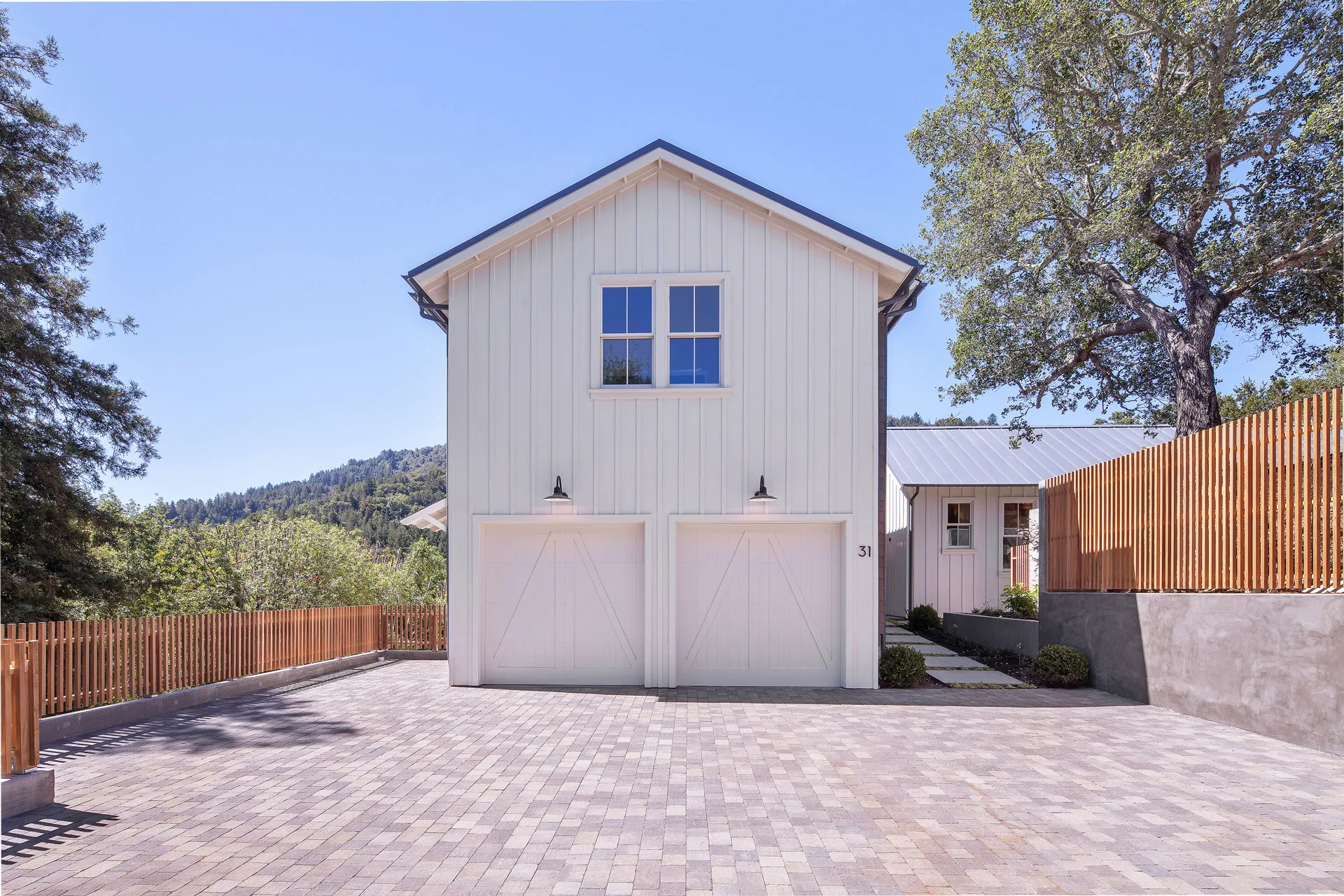
The modern farmhouse remains the most popular style for new construction. It combines the simple, gable-roofed shape of traditional agricultural buildings with modern detailing. Expect to see board-and-batten siding, metal roofs, and black window frames. For example, Blu Homes has developed sustainable vacation homes in the area that feature expansive outdoor spaces and bespoke customizations (nicheinteriors.com). These homes often feature open floor plans that are ideal for modern entertaining.
Sustainable Craftsman and Passive House Designs
Sustainability is no longer a niche preference; it is a standard expectation in Napa. This style focuses on performance as much as aesthetics. Architects are designing homes that require minimal active heating or cooling. Key features often include:
- Solar arrays with battery backup systems for energy independence
- Geothermal heating and cooling for year-round climate control
- Energy-efficient insulation and triple-pane windows
- Water recycling systems and rainwater harvesting
- Reclaimed and locally sourced building materials
2026 Trends Influencing Napa Valley Residences
As we move through 2026, the trends shaping Napa homes are focused on wellness, technology, and sustainability. Homeowners want spaces that are not only beautiful but also resilient and restorative. The flashiness of the past decade has been replaced by a desire for quiet quality and functional innovation.
"The most significant shift we are seeing is the integration of wellness into the very fabric of the building—from air filtration to circadian lighting."
Key design elements dominating the market include:
- Seamless Indoor-Outdoor Living: Expansive glass walls, sliding doors, and outdoor entertainment areas that break down barriers between inside and outside.
- Embracing Natural Materials: Reclaimed wood, locally sourced stone, bamboo, and cork for sustainable, sophisticated living spaces.
- Smart Home Technology: Integration of modern automation systems throughout luxury residences.
- Spa-like Bathrooms: Wellness-focused primary suites with luxury fixtures and amenities.
- Statement Lighting: Custom lighting fixtures that serve as design focal points.
How the Custom Design and Build Process Works
Building a custom home in Napa Valley is a rigorous journey that requires careful planning. It is not just about picking finishes; it is about navigating a complex landscape of regulations, environmental constraints, and design opportunities. A successful project relies on a linear, organized workflow that keeps the budget and timeline in check.
Site Assessment and Vision Development
Before drawing a single line, an architect must understand the land. This phase involves analyzing the sun path, wind patterns, topography, and views. In Napa, this also means identifying setbacks from vineyards and understanding soil conditions. You discuss your lifestyle needs—do you need a large kitchen for catering, or a quiet library? This stage establishes the project's feasibility and core goals.
Conceptual Design and Client Collaboration
Here, ideas turn into visuals. Architects create floor plans, 3D renderings, and sketches to explore massing and flow. It is a collaborative back-and-forth process. You might look at how the morning light hits the breakfast nook or how the roofline sits against the hills. The goal is to refine the aesthetic direction, ensuring the home reflects the client's personality while respecting the site's constraints.
Permitting Under 2026 California Building Codes
Permitting in California is strict, and Napa County has its own layers of complexity. The 2026 building codes place heavy emphasis on energy efficiency and fire resistance. New projects must comply with Title 24 energy standards, which often require solar integration and high-performance glazing. Additionally, homes in the Wildland-Urban Interface (WUI) must meet rigorous fire safety standards regarding materials and landscaping defensible space.
Best Practices for Understated Luxury in Napa Valley
True luxury in Napa is quiet. It is found in the details—the way a door handle feels, the alignment of floorboards, and the quality of the light. To achieve this, design choices should prioritize longevity and comfort over trends. The outdoor spaces should be as furnished and detailed as the indoor rooms.
To create a cohesive high-end experience, consider these essentials:
- Expansive sliding or folding glass doors that connect indoor kitchens to backyards seamlessly.
- Matching surfaces and finishes such as stone countertops, flooring, or cabinetry that carry from inside to outside.
- Outdoor dining and lounge zones planned as extensions of living rooms, not separate spaces.
- Professional-grade tools including high-performance grills with multiple cooking zones.
- Wine refrigerators and refrigeration drawers to keep bottles perfectly chilled.
Common Mistakes to Avoid in Wine Country Projects
One major error is ignoring the sun. Napa summers are hot. A home with massive western-facing glass without proper shading will become uncomfortable and expensive to cool. Architects must design deep overhangs or install dynamic shading systems to manage heat gain while preserving views.
Another pitfall is underestimating site work costs. Building on hillsides or near vineyards often requires significant engineering for drainage, septic systems, and fire access roads. Finally, do not overlook the acoustic environment. Hard surfaces like concrete and glass can create echo chambers; incorporating acoustic treatments or soft textures is vital for a restful home.
Navigating Napa County Design Guidelines and Regulations
Napa County enforces strict rules to preserve its agricultural character. The Viewshed Protection Program is a critical regulation that restricts building on ridgelines and visible hillsides to maintain the valley's scenic beauty. If your site falls within these zones, your design options regarding height, color, and siting will be limited.
Water availability is another hurdle. You may need to prove water sourcing through wells or municipal connections before a permit is issued. Furthermore, erosion control plans are mandatory for hillside projects. Navigating these rules requires a local team who understands the specific nuances of the county planning department.
Choosing a Bay Area Architect for Napa Valley Success
Selecting the right architect is the most critical decision you will make. You need a firm that understands both high-end residential design and the specific logistics of building in Napa. Many successful projects in the valley are designed by San Francisco Bay Area firms, like Chambers + Chambers, who bring a sophisticated urban sensibility to the rural context.
Look for an architect who:
- Has a portfolio of completed projects in Wine Country.
- Understands the nuances of Title 24 and WUI codes.
- Prioritizes site-specific design rather than reusing stock plans.
- Has established relationships with local builders and consultants.
Standout Examples of Napa Valley Residential Design
The most successful homes in the valley are those that feel inevitable—as if they grew out of the landscape. We see estates in Oakville where the rooflines mimic the slope of the Mayacamas Mountains. In St. Helena, renovated farmhouses use reclaimed wood from the original structures to clad modern additions, bridging the gap between past and future.
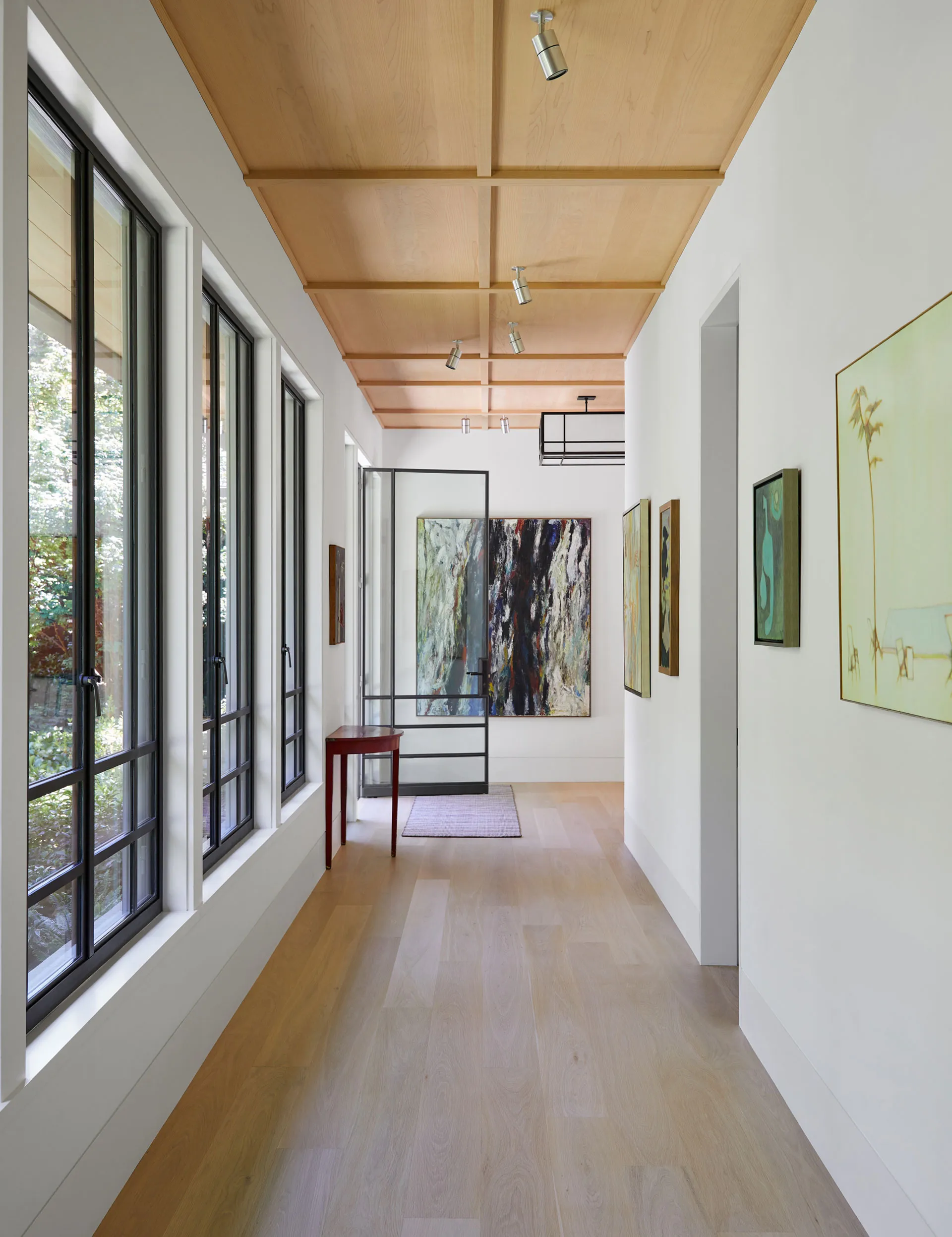
Another standout approach is the "deconstructed" home, where living spaces are separated into smaller pavilions connected by glass corridors. This reduces the visual mass of the home and allows nature to flow between the rooms. These designs exemplify the region's commitment to modesty and connection to the land.
The Future of Architecture and Design in Napa Valley Beyond 2026
Looking ahead, the focus will sharpen on resilience. As climate patterns shift, architecture must adapt. We expect to see more "fire-hardened" designs that use non-combustible materials like rammed earth, concrete, and steel exclusively on exteriors. Water conservation will drive landscape architecture, moving entirely away from lawns toward native, drought-tolerant gardens.
Technology will also play a larger role in resource management. Homes will likely feature autonomous systems that manage energy usage, irrigation, and security based on real-time weather data. The future Napa home will be a self-sustaining ecosystem that offers luxury without compromising the environment.
Conclusion
Architecture in Napa Valley is a balancing act between luxury and stewardship. It requires a deep respect for the agricultural history of the region and a forward-thinking approach to sustainability and comfort. Whether through a modern farmhouse or a Mediterranean villa, the goal is to create a space that slows down time and highlights the beauty of the natural world. By understanding the local landscape, regulations, and design principles, homeowners can build a legacy that stands the test of time.
Frequently Asked Questions
How much does it cost to build a custom home in Napa Valley in 2026?
Custom homes in Napa Valley average $800-$1,200 per square foot in 2026, with 3,000 sq ft residences costing $2.4M-$3.6M. Hillside sites and WUI compliance add 20-30% for engineering and fire safety features.
What are the key Napa County permitting timelines for new builds?
Napa County permitting takes 6-12 months in 2026, starting with site assessment and Viewshed review. Title 24 energy compliance and fire defensible space plans extend timelines; hire local experts to expedite.
Which Bay Area architects specialize in Napa Valley projects?
San Francisco firms like WA Design and Jeff King & Company excel in Napa, blending urban sophistication with valley regulations. They handle Title 24, WUI codes, and have portfolios of Oakville estates and Yountville farmhouses.
How do Napa Valley homes achieve fire resistance under WUI rules?
Napa WUI mandates Class A roofing, non-combustible siding like fiber cement, and 100 ft defensible space cleared of vegetation. New 2026 builds use ember-resistant vents and concrete hardscaping around structures.
What native plants are best for sustainable Napa Valley landscapes?
Use manzanita, coyote bush, and California buckwheat for low-water Napa yards, complying with county erosion rules. These drought-tolerant natives reduce irrigation by 70% and enhance vineyard views in hillside designs.


